Drone Roof Inspections in BC — When They Help, When They Don't, and What It Costs
Published 2026-05-15 · ~3349 words · back to blog
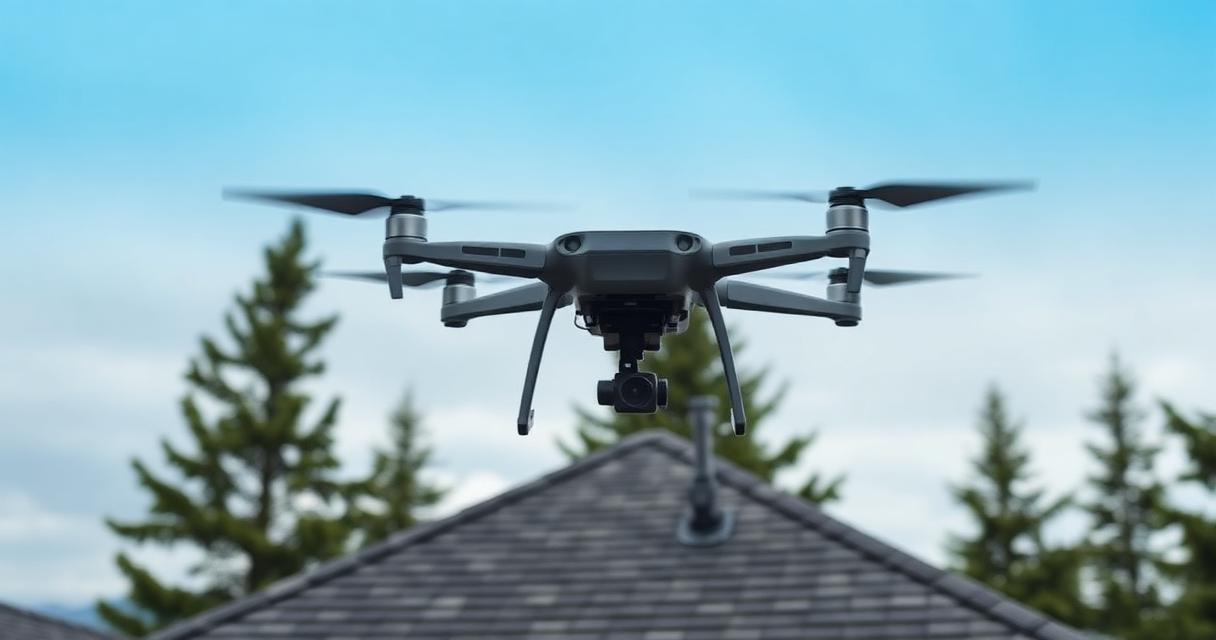
Drone roof inspections are everywhere now — but a 4K photo from 40 feet up tells you almost nothing about the things that actually leak, and most homeowners end up paying for a second physical inspection anyway. If you're a homeowner in homeowners considering an inspection on a steep roof, a tall house, or a property they're about to buy or sell, this guide is the long version of the conversation you'd have with one of our estimators on the phone — what's actually happening on your roof, what BC code requires, what your real options are, and what each one costs in 1970. We've installed and repaired thousands of roofs across West Vancouver, North Vancouver, Vancouver, Burnaby, New Westminster, Richmond and right out to Lions Bay, Anmore, Hope, and the pattern is the same in every postal code: the longer a problem is left, the more expensive it becomes. This page exists so you can make an informed call before you book an in-home estimate from anyone — including us.
What you're dealing with
Drone roof inspections are everywhere now — but a 4K photo from 40 feet up tells you almost nothing about the things that actually leak, and most homeowners end up paying for a second physical inspection anyway. The reason this is such a common issue across the Lower Mainland comes down to two things: our climate (165+ wet days a year in Vancouver, atmospheric river events that drop 60mm overnight, and a freeze/thaw cycle that punishes any roof detail that isn't perfect) and our housing stock (a huge volume of 1970s–2000s shingle and cedar roofs that are now in the back half of their service life). When we tell homeowners considering an inspection on a steep roof, a tall house, or a property they're about to buy or sell that we see this exact issue on 30–40% of our inspection calls, that isn't a sales pitch — it's the field data. The good news is that the diagnosis is usually straightforward and the fix is usually proportionate to the cause. The bad news is that ignoring the early signs almost always leads to a repair that's 4–10× more expensive than catching it at the right moment. The rest of this guide breaks the problem down into signs, causes, costs, and code — in that order — so you can size up your own situation before any contractor walks your roof. The published price range we see for the work covered on this page is roughly $0 to $650. That's a wide range because the variables — roof access, pitch, condition of the deck below, scope of repair vs replacement — change the number a lot. Use this guide to narrow it down before you call.
Warning signs to watch for
Before you ever climb a ladder, you can spot most of these problems from the ground or from inside the house. Look for the following:
1. A steep 10/12+ pitch you can't safely walk yourself
This is one of the earliest indicators we look for during a free inspection. In our experience, this shows up first on north-facing slopes and at the eaves, then progresses inward as the failure spreads. It's a leading indicator — by the time you see it from the ground, the underlying issue has typically been developing for 6–18 months. We document it with photos during the inspection and use it to triangulate where the actual failure is upstream of the visible symptom. If you spot this on your home, we recommend booking an inspection before the next significant rain event — most of the time we can quote a contained repair instead of a structural rebuild, but that window closes fast in our climate.
2. A three-storey house with no scaffold access
This is one of the earliest indicators we look for during a free inspection. In our experience, this shows up first on north-facing slopes and at the eaves, then progresses inward as the failure spreads. It's a leading indicator — by the time you see it from the ground, the underlying issue has typically been developing for 6–18 months. We document it with photos during the inspection and use it to triangulate where the actual failure is upstream of the visible symptom. If you spot this on your home, we recommend booking an inspection before the next significant rain event — most of the time we can quote a contained repair instead of a structural rebuild, but that window closes fast in our climate.
3. A pre-purchase inspection where a physical walk wasn't allowed
This is one of the earliest indicators we look for during a free inspection. In our experience, this shows up first on north-facing slopes and at the eaves, then progresses inward as the failure spreads. It's a leading indicator — by the time you see it from the ground, the underlying issue has typically been developing for 6–18 months. We document it with photos during the inspection and use it to triangulate where the actual failure is upstream of the visible symptom. If you spot this on your home, we recommend booking an inspection before the next significant rain event — most of the time we can quote a contained repair instead of a structural rebuild, but that window closes fast in our climate.
4. A hail or wind insurance claim requiring documentation
This is one of the earliest indicators we look for during a free inspection. In our experience, this shows up first on north-facing slopes and at the eaves, then progresses inward as the failure spreads. It's a leading indicator — by the time you see it from the ground, the underlying issue has typically been developing for 6–18 months. We document it with photos during the inspection and use it to triangulate where the actual failure is upstream of the visible symptom. If you spot this on your home, we recommend booking an inspection before the next significant rain event — most of the time we can quote a contained repair instead of a structural rebuild, but that window closes fast in our climate.
5. A moss survey across a large multi-roof property
This is one of the earliest indicators we look for during a free inspection. In our experience, this shows up first on north-facing slopes and at the eaves, then progresses inward as the failure spreads. It's a leading indicator — by the time you see it from the ground, the underlying issue has typically been developing for 6–18 months. We document it with photos during the inspection and use it to triangulate where the actual failure is upstream of the visible symptom. If you spot this on your home, we recommend booking an inspection before the next significant rain event — most of the time we can quote a contained repair instead of a structural rebuild, but that window closes fast in our climate.
6. A solar pre-install survey for panel layout
This is one of the earliest indicators we look for during a free inspection. In our experience, this shows up first on north-facing slopes and at the eaves, then progresses inward as the failure spreads. It's a leading indicator — by the time you see it from the ground, the underlying issue has typically been developing for 6–18 months. We document it with photos during the inspection and use it to triangulate where the actual failure is upstream of the visible symptom. If you spot this on your home, we recommend booking an inspection before the next significant rain event — most of the time we can quote a contained repair instead of a structural rebuild, but that window closes fast in our climate.
What's actually causing it
Most homeowners assume the visible symptom is the problem. It almost never is. Water travels — sometimes 4–10 feet across a sheet of underlayment before it shows up as a stain on a ceiling — and what looks like a leak above the dining room is just as often a failed flashing 12 feet uphill. Here are the root causes we identify most often on Lower Mainland inspections:
Cause 1: Marketing — drones look high-tech and sell inspections
This is one of the most common root causes we identify in the Lower Mainland because of how our climate, our housing stock, and historical installation practices interact. The 1970s–1990s building boom across Burnaby, Surrey, Coquitlam, North Van and Vancouver locked in installation details that don't hold up against today's storms or against current code expectations. When we open up an affected area, this is almost always either present on its own or paired with one of the other causes listed here. The right way to confirm this on your specific home is a 30-minute inspection — we walk the roof (with harness and proper anchors), we walk the attic with a flashlight and a moisture meter, and we report back with photos and a written scope. There's no charge for the inspection and no obligation to book the work.
Cause 2: WorkSafeBC fall-protection rules that make walking some roofs prohibitive for small crews
This is one of the most common root causes we identify in the Lower Mainland because of how our climate, our housing stock, and historical installation practices interact. The 1970s–1990s building boom across Burnaby, Surrey, Coquitlam, North Van and Vancouver locked in installation details that don't hold up against today's storms or against current code expectations. When we open up an affected area, this is almost always either present on its own or paired with one of the other causes listed here. The right way to confirm this on your specific home is a 30-minute inspection — we walk the roof (with harness and proper anchors), we walk the attic with a flashlight and a moisture meter, and we report back with photos and a written scope. There's no charge for the inspection and no obligation to book the work.
Cause 3: Real demand for non-destructive survey on heritage and steep-pitch homes
This is one of the most common root causes we identify in the Lower Mainland because of how our climate, our housing stock, and historical installation practices interact. The 1970s–1990s building boom across Burnaby, Surrey, Coquitlam, North Van and Vancouver locked in installation details that don't hold up against today's storms or against current code expectations. When we open up an affected area, this is almost always either present on its own or paired with one of the other causes listed here. The right way to confirm this on your specific home is a 30-minute inspection — we walk the roof (with harness and proper anchors), we walk the attic with a flashlight and a moisture meter, and we report back with photos and a written scope. There's no charge for the inspection and no obligation to book the work.
Cause 4: Thermal drones that can find moisture under flat-roof membrane in the right conditions
This is one of the most common root causes we identify in the Lower Mainland because of how our climate, our housing stock, and historical installation practices interact. The 1970s–1990s building boom across Burnaby, Surrey, Coquitlam, North Van and Vancouver locked in installation details that don't hold up against today's storms or against current code expectations. When we open up an affected area, this is almost always either present on its own or paired with one of the other causes listed here. The right way to confirm this on your specific home is a 30-minute inspection — we walk the roof (with harness and proper anchors), we walk the attic with a flashlight and a moisture meter, and we report back with photos and a written scope. There's no charge for the inspection and no obligation to book the work.
Your fix options and what they cost in 1970
These are the published prices we charge for this work in 1970, current as of this article date. They're the same prices we'd quote you on the phone. There's no surge pricing in storm months, no special rate for difficult addresses, and no haggling — what you see here is what lands on the contract. The only line items that vary are pitch (steeper costs more in labour), pitch access, and the actual condition of the substrate once we open it up (which we always quote as a separate unit price up front).
Free 30-minute walking inspection (BudgetRoofers.ca) — Free
harness + anchor, we walk the entire roof, open valleys, lift suspect tabs, attic check with moisture meter, written report with photos within 24 hours. We typically recommend this option when your roof condition matches the description above and the rest of the assembly is in serviceable condition. The job takes between half a day and two days depending on roof access, and we book installs 2–4 weeks out — sooner for emergency leaks. Our published rate includes all materials, all labour, dump fees, the manufacturer warranty, and our 10-year workmanship warranty in writing. There are no trip fees, no fuel surcharges, and no admin fees. If you'd rather see the math behind these numbers, our 1970 Vancouver pricing guide breaks it down by the square — these prices apply uniformly across all 18 cities we serve from West Vancouver to Chilliwack.
Drone photo survey — $200–$350
4K aerial photos and short video of the entire roof — useful for shape, scope, large-area condition; will not find a failed pipe boot or step-flashing. We typically recommend this option when your roof condition matches the description above and the rest of the assembly is in serviceable condition. The job takes between half a day and two days depending on roof access, and we book installs 2–4 weeks out — sooner for emergency leaks. Our published rate includes all materials, all labour, dump fees, the manufacturer warranty, and our 10-year workmanship warranty in writing. There are no trip fees, no fuel surcharges, and no admin fees. If you'd rather see the math behind these numbers, our 1970 Vancouver pricing guide breaks it down by the square — these prices apply uniformly across all 18 cities we serve from West Vancouver to Chilliwack.
Drone thermal survey (low-slope only) — $450–$650
early-morning thermal scan of a flat SBS or TPO roof to locate trapped moisture under the membrane — only works on flat roofs in the right weather window. We typically recommend this option when your roof condition matches the description above and the rest of the assembly is in serviceable condition. The job takes between half a day and two days depending on roof access, and we book installs 2–4 weeks out — sooner for emergency leaks. Our published rate includes all materials, all labour, dump fees, the manufacturer warranty, and our 10-year workmanship warranty in writing. There are no trip fees, no fuel surcharges, and no admin fees. If you'd rather see the math behind these numbers, our 1970 Vancouver pricing guide breaks it down by the square — these prices apply uniformly across all 18 cities we serve from West Vancouver to Chilliwack.
Combined drone + walk inspection — $350–$550
drone for the steep inaccessible slopes, harnessed walk for everything we can safely reach; full written report. We typically recommend this option when your roof condition matches the description above and the rest of the assembly is in serviceable condition. The job takes between half a day and two days depending on roof access, and we book installs 2–4 weeks out — sooner for emergency leaks. Our published rate includes all materials, all labour, dump fees, the manufacturer warranty, and our 10-year workmanship warranty in writing. There are no trip fees, no fuel surcharges, and no admin fees. If you'd rather see the math behind these numbers, our 1970 Vancouver pricing guide breaks it down by the square — these prices apply uniformly across all 18 cities we serve from West Vancouver to Chilliwack.
What BC code requires
The applicable code for this work in the Lower Mainland is Transport Canada RPAS (Remotely Piloted Aircraft Systems) regulations — basic operations certificate required for sub-250g commercial drone use; advanced certificate for over-people or controlled airspace. Roofers operating drones for paying clients must hold a valid RPAS pilot certificate.. The City of Vancouver enforces the Vancouver Building By-law (VBBL) on top of the BCBC, which is stricter on ventilation, flashing, and fire-rating. Other Lower Mainland municipalities (Burnaby, Surrey, Coquitlam, Richmond, North Vancouver, etc.) defer to the BCBC with their own bylaw amendments — most are similar enough that an installer who can pass a Vancouver inspection will pass anywhere in the region. What this means for you as a homeowner: any quote you receive should reference these codes by section number. If a contractor can't tell you which BCBC clause governs the work they're proposing, that's a flag. We're members of the Roofing Contractors Association of BC (RCABC), our crews carry WorkSafeBC coverage and Hot Roofing Insurance certificates where required, and we pull every permit at cost with the fee itemised on the invoice. The City of Vancouver's smoke-alarm declaration on permit close-out is included; we handle the paperwork end to end. Inspection-wise, the local building inspector typically wants to see (1) the underlayment installation before shingles go on, and (2) the completed roof before the permit is closed. We schedule both inspections and meet the inspector on site — homeowners don't need to be present for either.
DIY or call a pro?
Here's our honest take on what you can safely do yourself versus what should always be hired out: Hobbyist drone footage of your own roof is fine for a quick look — but it isn't an inspection. The leaks that actually cost money (pipe boots, step-flashing, cracked sealant on a chimney crown) are invisible from 40 feet up. If you're going to spend money on a survey, spend it on a roofer who walks the roof. Beyond the safety question, there's the warranty question. Most shingle and membrane manufacturers (IKO, Malarkey, CertainTeed, Soprema, IKO ArmourGard) require installation by a registered contractor for the full extended warranty to apply. A homeowner repair, even a competent one, voids that. If your roof is under 10 years old and still has manufacturer coverage, it's almost always worth calling in a registered installer to keep the paper trail clean. There's also the insurance angle. If a DIY repair fails and causes interior damage, your home insurance carrier can — and routinely does — deny the claim on grounds of unprofessional work. The cost of a $400 professional repair is dwarfed by the cost of a denied $15,000 mould remediation claim two years later.
How BudgetRoofers.ca handles this work
Our model across the Lower Mainland is simple: published square rates, no in-home sales call required, a 60-second online calculator that gives you a real number, and a single licensed estimator who books your install date on the same call. For repair work specifically, we run a 30-minute free inspection (free, no obligation, no upsell), provide a written scope with photos within 24 hours, and book the repair within 2–4 weeks. Emergency leaks get tarped within 24 hours and properly repaired on the next dry-weather window. We're a small, owner-operated crew — not a franchise, not a marketing-led contractor with subbed-out installers. The same crew that comes to inspect your roof is the crew that does the work. We carry $5M general liability, full WorkSafeBC coverage, and Hot Roofing Insurance for any torch-on work. All work comes with a 10-year workmanship warranty in writing on top of the manufacturer's material warranty. If you'd like to see our published rates by city, browse the Lower Mainland cost guides hub — every city from West Vancouver to Chilliwack has its own pricing guide with local code, recycling, and a real case study from a recent install. The published rates apply uniformly across all 18 cities; the city pages exist so you can confirm we work in your municipality and see local-specific code notes.
Next steps
If anything in this guide matches what you're seeing on your home, the next step is a free 30-minute inspection. Use the lead form below or call us at 604-446-3482 — we'll ask 4–5 questions about your roof (age, material, what you're seeing), and either book an inspection or, for some clearcut issues, quote you on the spot. For a real square-rate estimate before we even visit, use the calculator on our home page — enter your roof footprint, pitch, and material and you'll get a published-rate number in under a minute. The estimator who calls you back will reference that number; it doesn't change unless your roof condition does. We answer the phone Monday to Saturday, 8 AM to 6 PM. After-hours emergency leaks get a callback within 60 minutes. Same crew that quotes is the crew that installs — we don't sub the work out. Read the next guide on How Much Does a Roof Repair Cost in 2026? (Lower Mainland Pricing Guide) or browse the full blog index.
Frequently asked
Is a drone inspection as good as a physical inspection?+
No. Drones are excellent for large-area condition surveys, hail mapping, and steep-roof access — they're poor at finding the small, specific failures that cause leaks. We use drones as a supplement, not a replacement.
Why does BudgetRoofers.ca do free walking inspections?+
Because our model is published rates and direct booking — we don't need to upsell an inspection to justify the visit. A 30-minute walk tells us exactly what to quote and saves you a paid drone survey.
Can a drone see a leak?+
Only the symptoms — a dark patch on shingles, missing tabs, an obvious tear. The actual point of water entry is usually a small flashing or sealant failure that's invisible from above. A thermal drone on a flat roof in the right conditions can find trapped moisture, but that's a narrow use case.
Do I need a drone inspection for an insurance claim?+
Usually a written report with ground-level and roof-level photos is enough. Adjusters accept walking-inspection reports from licensed roofers; some require independent third-party drone documentation for large hail or wind claims.
Is the inspector liable if they damage my roof walking it?+
Yes — every BudgetRoofers.ca crew carries $5M general liability and full WorkSafeBC coverage. We use harnesses and anchors on every roof over 6/12 pitch. We've never claimed for inspection damage in 12 years of operation.